What to Do After a Positive Pregnancy Test (Doctor Advice in Pune, Wakad & PCMC)
What to do after a positive pregnancy test? You should confirm the result with a doctor, start prenatal care, take essential supplements like folic acid, and focus on rest, nutrition, and emotional well-being.
A positive pregnancy test brings happiness, excitement, and sometimes confusion. Many women feel uncertainty during the first few days and weeks of pregnancy, especially if it’s their first experience.
This doctor-guided guide will help you understand what to do after a positive pregnancy test, so you can take the right steps with clarity, confidence, and proper medical support.
If you are in Pune, you can join our doctor-guided Garbh Sanskar classes in Wakad and pregnancy yoga classes in Pune. For those who prefer learning from home, we also offer live online Garbh Sanskar classes and online pregnancy yoga sessions, trusted by expecting mothers across India and worldwide.

First Steps to Take After a Positive Pregnancy Test
After a positive pregnancy test, it’s natural to feel excited, confused, or even anxious. The first few steps you take in early pregnancy are important for both your health and your baby’s development.
Here are the most important first steps to follow after confirming your pregnancy:
- Confirm your pregnancy with a doctor
- Schedule your first consultation
- Start prenatal care and essential supplements
- Follow healthy lifestyle habits
- Avoid self-medication
- Take care of your emotional well-being
Confirm Your Pregnancy After a Positive Test
Home pregnancy tests are usually accurate, but false positives can occur rarely. Once you see a positive result, avoid repeated testing out of anxiety.
Instead, take a moment to stay calm and plan your next steps. Stress and panic do not help at this stage—timely and correct guidance does.
When to Visit a Doctor After a Positive Pregnancy Test
After a positive pregnancy test, many women wonder whether they should visit a doctor immediately or wait.
In most cases, the first doctor visit is recommended around 6 to 8 weeks of pregnancy, unless you experience symptoms such as bleeding, severe pain, or have existing medical conditions.
You can prepare yourself by understanding the important questions to ask your doctor after detecting pregnancy, which helps make the consultation more meaningful.
Avoid Self-Medication After Confirming Pregnancy
One of the most common mistakes after detecting pregnancy is starting medicines or supplements without medical advice.
Avoid painkillers, herbal remedies, over-the-counter medicines, and random vitamin supplements. Your doctor will advise the correct supplements and dosage based on your individual needs.
Lifestyle Changes After a Positive Pregnancy Test
Early pregnancy is a sensitive phase. Small lifestyle changes made now can prevent complications later.
Focus on adequate rest, avoiding alcohol and smoking, reducing excess caffeine, managing stress, and staying hydrated. There is no need for drastic changes—gentle adjustments are enough.
What to Eat After a Positive Pregnancy Test
You do not need a special diet immediately, but you should be cautious about what you eat.
Prefer fresh, home-cooked food and avoid raw or undercooked items, outside junk food, and unpasteurized products. A balanced diet supports both maternal energy and early fetal development.
Is Exercise Safe in Early Pregnancy?
Unless advised otherwise by your doctor, light movement and walking are generally safe in early pregnancy.
Avoid sudden intense workouts or new strenuous activities. You can discuss with your doctor when it is appropriate to begin guided practices like pregnancy yoga, which support breathing, flexibility, and emotional balance.
Emotional Changes in Early Pregnancy: What to Expect
Hormonal changes after conception can cause mood swings, anxiety, or emotional sensitivity. These feelings are normal.
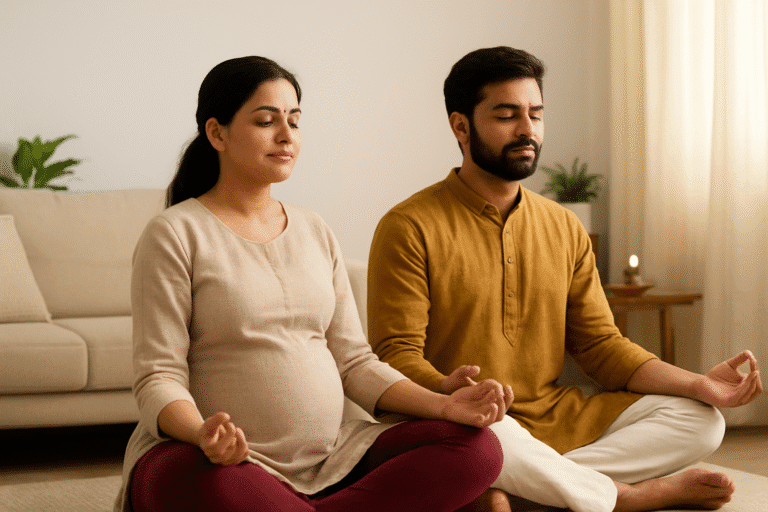
Open communication with your partner and simple relaxation practices can help you feel emotionally stable during this phase.
How to Start Bonding With Your Baby in Early Pregnancy
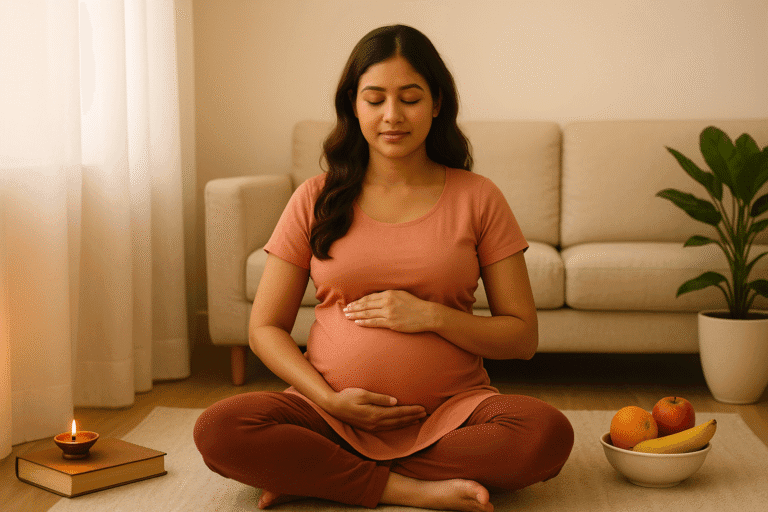
Even in early pregnancy, emotional connection with your baby begins naturally. Many mothers choose calming thoughts, positive affirmations, or simple meditation during this phase.
Ask your doctor about the appropriate time to begin Garbh Sanskar during pregnancy in a safe and guided manner.
Why Every Pregnancy Journey Is Different
Every pregnancy is unique. Comparing symptoms, timelines, or experiences with others often leads to unnecessary fear.
Trust your body, follow your doctor’s guidance, and remember that there is no perfect pregnancy—only a supported one.
Final Thoughts
A positive pregnancy test marks the beginning of a beautiful journey. The steps you take immediately afterward do not need to be complicated—just informed, calm, and mindful.
With the right guidance, early pregnancy can be a peaceful and empowering experience.
Frequently Asked Questions
🌸 Need Expert Pregnancy Guidance?
Join our doctor-guided programs:
✔ Garbh Sanskar Classes (Wakad, Pune)
✔ Online Garbh Sanskar Classes
✔ Pregnancy Yoga Classes in Pune
✔ Online Pregnancy Yoga Classes
👉 Book your free demo session or WhatsApp us now